Source Single Row Cargo Truck With Rear Camera for Logistics
Explore 30 listings of single row cargo truck with rear camera options from Chinese manufacturers. Buyers can compare specifications like horsepower, load capacity, and transmission types to find suitable vehicles for construction, urban delivery, and general freight transport; compare the available evidence and request quotations based on your requirements.
Key considerations
Products List


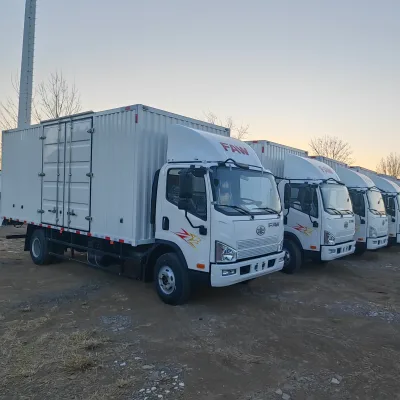
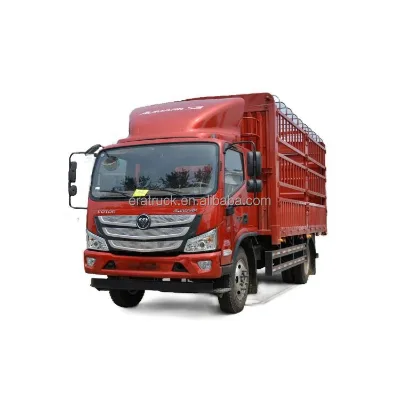

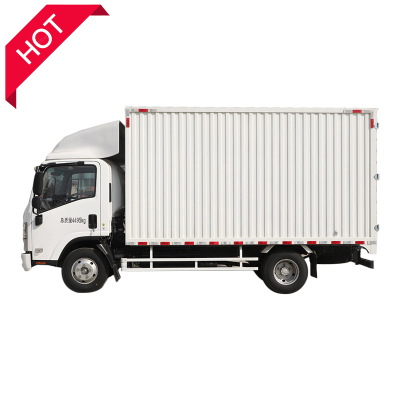


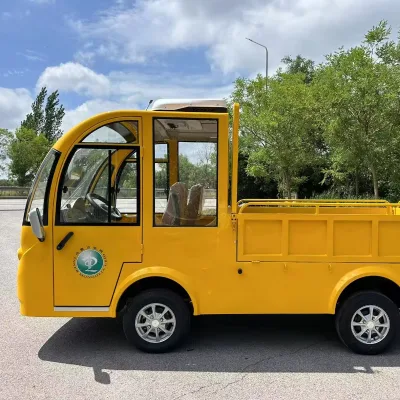
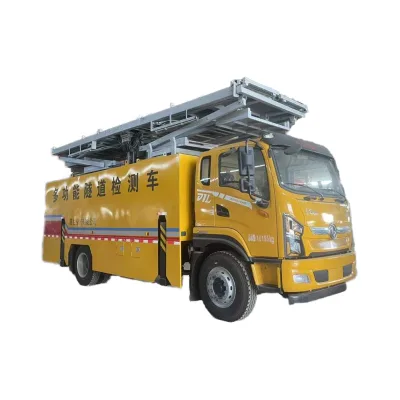
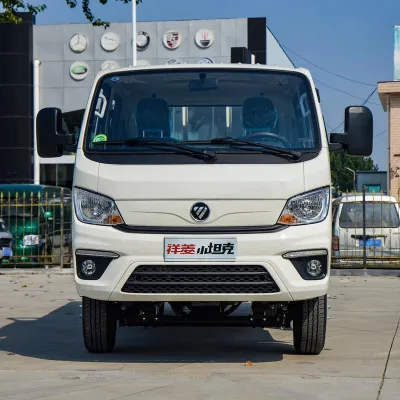
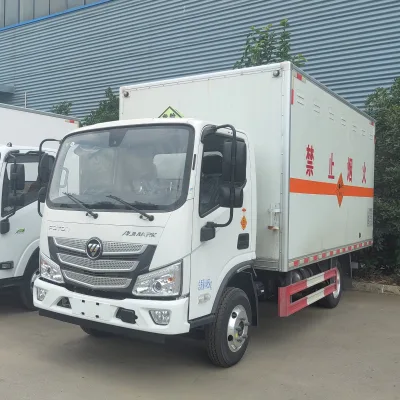
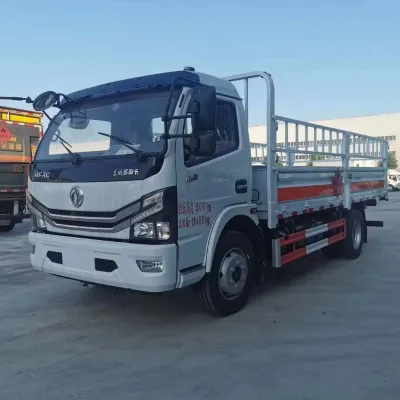


Comprehensive Sourcing Guide
Single Row Cargo Truck with Rear Camera Sourcing Guide
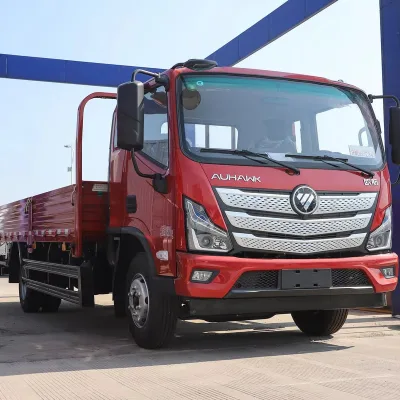
Procuring a single row cargo truck equipped with a rear camera requires a strategic alignment of vehicle utility and safety technology. Buyers must first define the operational environment, whether it involves urban distribution, construction site logistics, or long-haul freight. The presence of a rear-view camera system significantly enhances maneuverability in tight spaces, reducing the risk of collision during loading and unloading operations. This feature is particularly critical for trucks with limited rear visibility, such as those with high cargo beds or specialized flatbed configurations. Understanding the specific load requirements and terrain conditions helps in selecting the appropriate chassis and engine power.
The integration of electronic safety features into heavy-duty commercial vehicles adds complexity to the sourcing process. Buyers should verify the compatibility of the camera system with the truck’s electrical architecture, ensuring stable power supply and signal integrity. It is essential to confirm whether the camera is an aftermarket addition or a factory-installed component, as this affects warranty coverage and long-term reliability. Sourcing guides must emphasize the importance of testing the camera’s performance under various lighting conditions, including night and adverse weather scenarios, to ensure consistent visibility for the driver.
Product Scope and Observed Listing Signals
Market listings for single row cargo trucks reveal a diverse range of specifications, with observed prices spanning from $10 to $54,748.84 USD. This wide variance reflects differences in brand, engine capacity, and included features. The minimum order quantity (MOQ) typically ranges from 1 to 100 units, offering flexibility for both individual buyers and large fleet operators. Listings often highlight key attributes such as diesel power sources, manual transmissions, and specific drive types like 4x2 or 6x4 configurations. Buyers should carefully review these signals to identify vehicles that match their operational needs and budget constraints.
Observed product attributes include various chassis brands, such as HOWO, and engine capacities ranging from 4-6L to over 8L. Some listings specify a load capacity of 1-10t, while others indicate higher capacities up to 20t. The tire design is frequently noted as tubeless, with certifications including ECE, GCC, ISO, and DOT. These details provide a baseline for evaluating the technical suitability of the trucks. Buyers must cross-reference these observed signals with their specific requirements to avoid mismatches in performance and compliance standards.
Technical Specifications to Verify
Verifying technical specifications is crucial for ensuring the truck meets operational demands. Key attributes to confirm include the engine horsepower, which can range from less than 150hp to 150-250hp or higher. The drive type, such as 6x4, and the transmission system, often manual, must align with the intended load and terrain. Buyers should also check the chassis brand and model, such as ZZ1107G381CD1, to ensure compatibility with available spare parts and service networks. The cargo box size and type, whether flatbed or enclosed, should be verified against the specific cargo requirements.
The rear camera system’s technical details, including resolution, viewing angle, and durability, must be thoroughly examined. Buyers should inquire about the camera’s mounting position and its integration with the truck’s display system. It is important to verify the electrical connections and the system’s resistance to vibration and moisture. Additionally, checking the suspension type, braking system, and steering mechanism ensures overall vehicle stability and safety. Confirming these specifications helps in assessing the truck’s reliability and performance in real-world conditions.
Compliance and Safety Documentation
Compliance with international and local safety standards is non-negotiable for commercial vehicle procurement. Buyers must verify that the truck holds necessary certifications, such as ISO, RoHS, and GS, which indicate adherence to quality and safety norms. The tire certifications, including ECE and DOT, are critical for ensuring road legality and safety. Documentation should also confirm compliance with emission standards, such as Euro norms, which are increasingly important for environmental regulations and urban access restrictions.
The rear camera system must meet specific safety standards to ensure it provides reliable assistance to the driver. Buyers should request test reports or certification documents for the camera system, verifying its performance in low-light conditions and its durability under various environmental stresses. Additionally, checking the truck’s braking system documentation, including the double circuit pneumatic compression brakes, ensures that safety features are robust and reliable. Proper documentation helps in avoiding legal issues and ensures the vehicle is safe for operation.
Cost Drivers and Commercial Terms
Understanding the cost drivers for single row cargo trucks with rear cameras is essential for budgeting. Factors influencing price include the engine power, chassis brand, and the quality of the camera system. Trucks with higher horsepower and advanced safety features typically command higher prices. The load capacity and cargo box size also play significant roles in determining the cost. Buyers should analyze the price range of $10 to $54,748.84 USD to identify the value proposition of different models.
Commercial terms, such as MOQ and payment conditions, vary among suppliers. Buyers should negotiate terms that align with their cash flow and inventory needs. It is important to clarify whether the price includes installation and calibration of the rear camera system. Additional costs for shipping, insurance, and customs duties should also be considered. Understanding these commercial terms helps in making informed decisions and avoiding unexpected expenses during the procurement process.
Supplier Qualification and Quality Control
Supplier qualification is a critical step in ensuring the reliability of the procurement. Buyers should verify the supplier’s experience in manufacturing or distributing single row cargo trucks with rear cameras. Checking the supplier’s certifications, such as ISO and RoHS, provides insight into their quality management systems. It is also important to assess the supplier’s after-sales service capabilities, including warranty coverage and technical support. A qualified supplier should provide comprehensive documentation and support throughout the procurement process.
Quality control measures should be implemented to ensure the trucks meet specified standards. Buyers should request sample inspections or third-party quality audits to verify the vehicle’s construction and the camera system’s performance. Checking the supplier’s production processes and quality assurance protocols helps in identifying potential risks. Additionally, verifying the supplier’s supply chain stability ensures timely delivery and consistent quality. Effective quality control measures protect the buyer’s investment and ensure operational efficiency.
Long-Term Procurement Checks
Long-term procurement checks involve monitoring the truck’s performance and the supplier’s reliability over time. Buyers should establish key performance indicators (KPIs) to track vehicle uptime, maintenance costs, and camera system functionality. Regular inspections and preventive maintenance schedules should be implemented to extend the vehicle’s lifespan. Monitoring the supplier’s responsiveness to issues and their ability to provide timely spare parts is crucial for minimizing downtime.
Feedback from drivers and maintenance teams should be regularly collected to identify any operational issues or improvements needed. This feedback loop helps in refining procurement strategies and selecting better models in the future. Buyers should also stay updated on regulatory changes and technological advancements in the trucking industry. Continuous evaluation and adaptation ensure that the procurement strategy remains effective and aligned with business goals.
FAQs
What is the typical load capacity for these trucks?
The typical load capacity ranges from 1 to 20 tons depending on the specific model configuration. Some units support 1-10 tons while others handle 11-20 tons. Buyers should verify the exact capacity against their cargo needs before ordering.
Which engine power options are available for these vehicles?
Available engine power options include units under 150 horsepower as well as models ranging from 150 to 250 horsepower. Specific configurations may feature 380 horsepower engines. Diesel power is standard across the observed product range for optimal performance.
Can I find trucks with specific emission standards?
Yes, trucks are available with Euro emission standards and engine capacities ranging from 4 to 6 liters or exceeding 8 liters. Certification includes ECE, GCC, ISO, and DOT standards. Buyers can select models that meet specific regional regulatory requirements.
What drive wheel configurations are offered for these trucks?
Drive wheel configurations include 4x2 and 6x4 setups. The 6x4 models often feature Sinotruk Hw Series transmissions with ten forward gears. These configurations provide stability and traction suitable for various cargo hauling conditions and road types.
How are these trucks typically packed for shipping?
Packing methods vary and include bare packing without clothing, unpackaged, nude packing, or ocean shipping preparations. Some units undergo waxing before shipment. Buyers should confirm the specific packing method required for their logistics chain to ensure safe transport.
What is the origin location for these cargo trucks?
The primary origin location for these trucks is Liangshan, China. This region is known for manufacturing heavy-duty vehicles. Buyers sourcing from this location can expect access to a wide range of models including flatbed and dumping styles.
Are customization options available for these truck models?
Customization is available for many of the listed truck models. Buyers can request specific modifications to meet unique operational requirements. This flexibility allows for tailored solutions regarding dimensions, capacity, and equipment integration for diverse business needs.